Measuring luminance level on walls, floors and ceilings
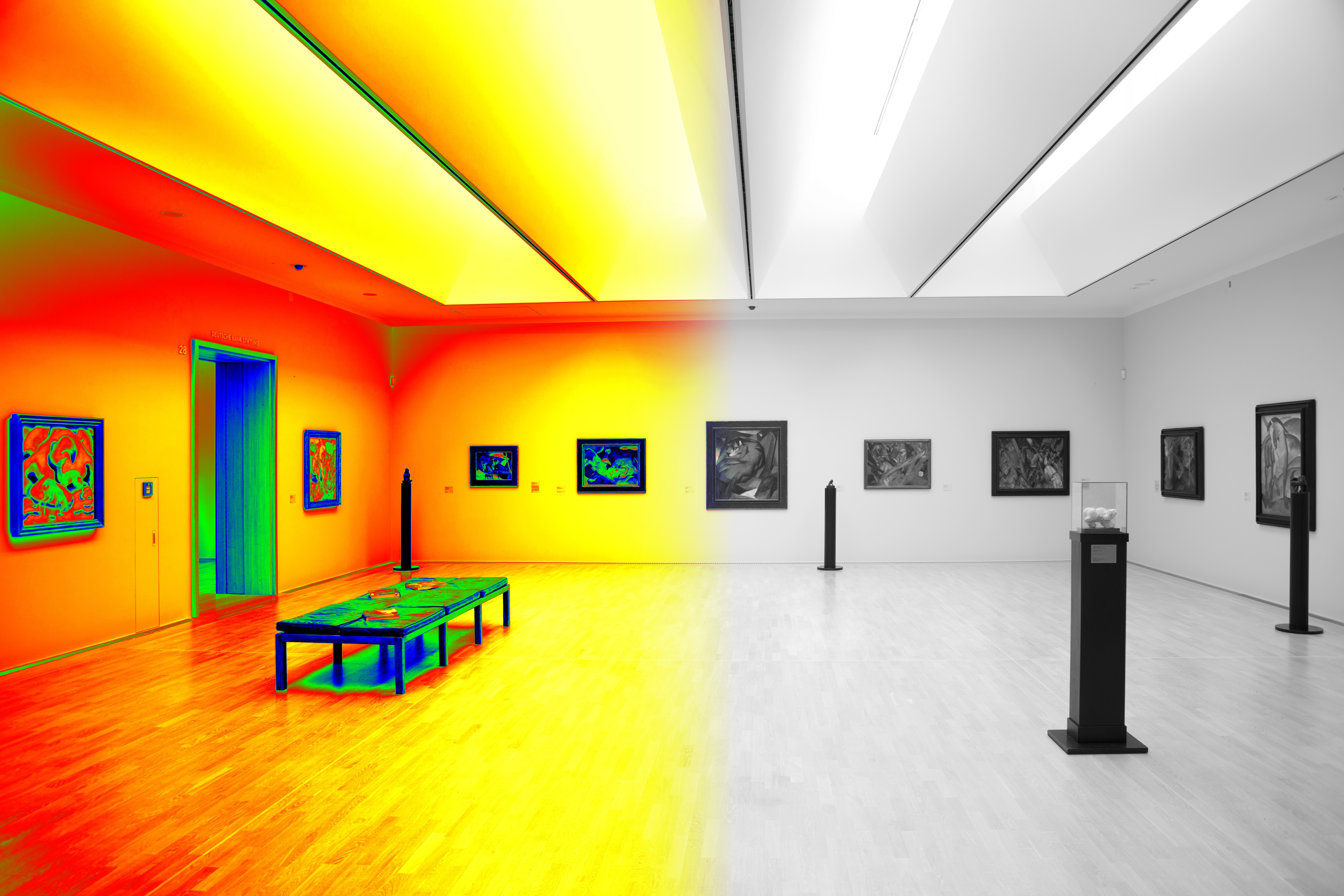
Visual appearance and safety (Lenbachhaus Munich)
Indoor Architectural Lighting Measurement
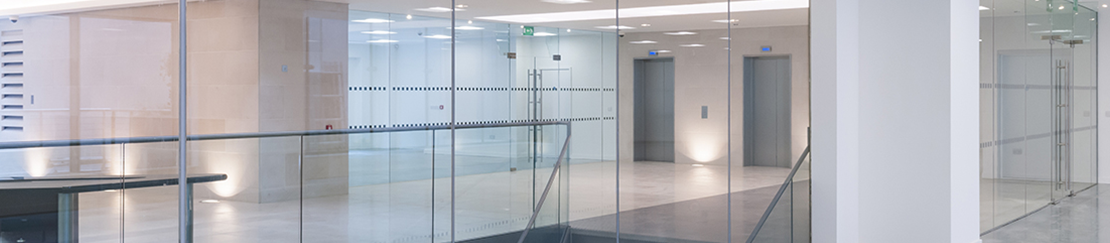
Quantify luminance, contrast, color and glare in indoor scenes
The photometric evaluation of interiors regarding absolute luminance levels and relative luminance distributions on illuminated surfaces is a key task in architectural lighting. In addition, determining visually perceived contrasts provides an objective measure for ergonomics and safety in specific visual tasks.
Using imaging luminance cameras, the following variables can be measured efficiently and traceably:
- Luminance and luminance distributions across interior scenes
- Dynamics of brightness and contrast ratios on indoor surfaces
- Derived perception criteria such as recognizability, including ergonomic and safety aspects of workplaces
- Luminance uniformity on walls, floors, and ceilings, enabling statements on lighting appearance and visual comfort
- Light color and color rendering evaluation of illuminated objects (e.g., gallery, museum, retail or exhibition lighting)
Visual Comfort & Psychological Glare Analysis
Combining luminance imaging with geometric information about the position and size of the light sources allows the evaluation of additional visual perception criteria. A major example is psychological (discomfort) glare.
For indoor scenes, glare can be assessed using UGR for artificial light sources and DGP for daylight glare. Both glare metrics use luminaire or daylight luminance as input variables and link them with spatial location and ambient luminance. All necessary measurement data can be derived from one single HDR luminance measurement image, making glare analysis efficient and strongly scene-representative.
Our Solution for Indoor Architecture
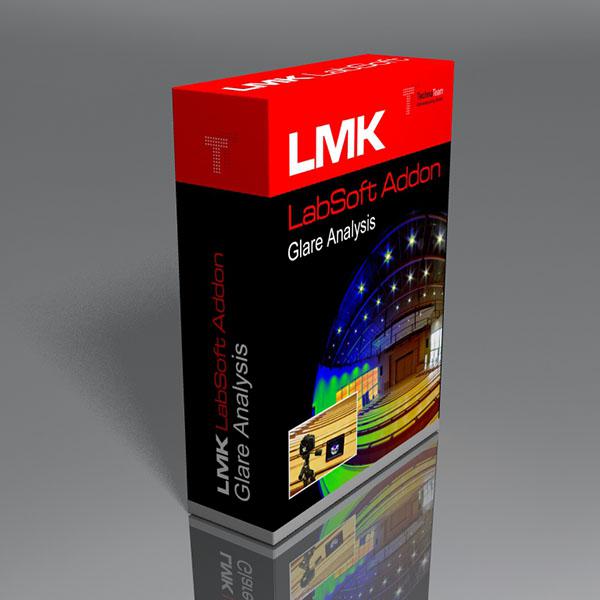
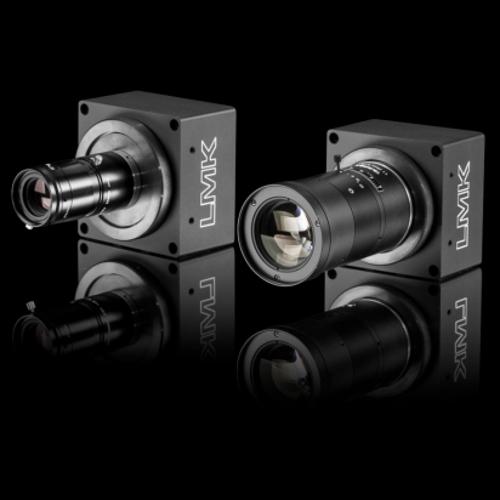
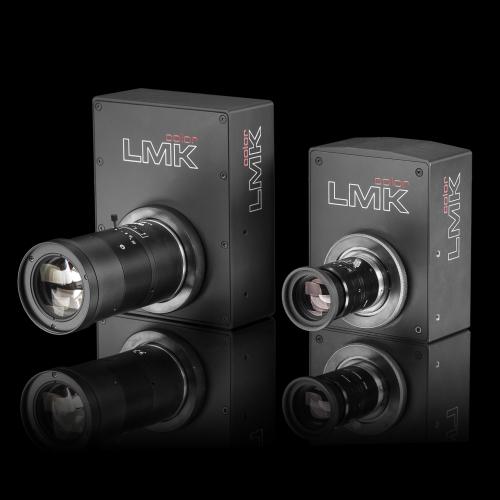
TechnoTeam provides several LMK systems designed for these indoor architecture tasks, including the LMK 6 models and the LMK mobile. For standardized glare evaluation, TechnoTeam also offers a dedicated software add-on supporting both UGR and DGP methods. This requires:
- an LMK luminance measuring camera system,
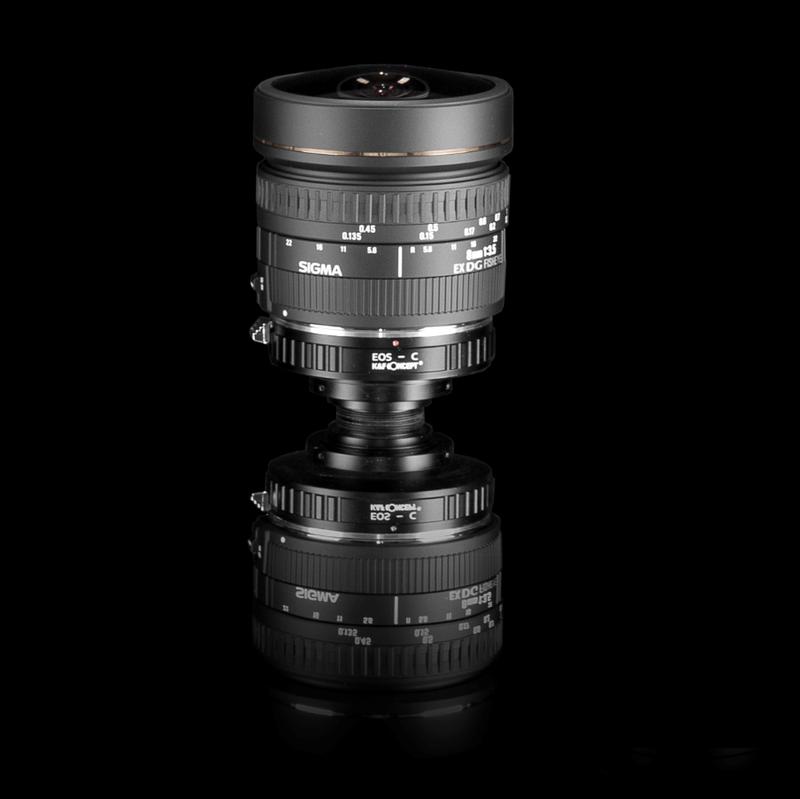
- a wide-angle (or fisheye) lens to capture the relevant observer field,
- and a geometric calibration of the imaging properties.
Together, this setup enables reliable luminance-based indoor lighting assessment, from visual comfort studies to ergonomic workplace evaluation.
RELEVANT PRODUCTS
RELEVANT PUBLICATIONS
Glare assessment for research and development of measurement methods
Przeglad Elektrotechniczny
Glare is one of the most important parameter of lighting quality. Despite the passage of time from the beginning of glare research, no standard of conducting laboratory experiments was proposed. In the article the review of solutions related to glare assessment is presented. The method of conducting research on glare is also described. The authors pay attention to the most important aspects in the methodology of glare assessment for the experimental research on glare and glare assessment based on UGR measurements. The tests of the new algorithm for UGR calculation is presented — algorithm for precise identification and extraction of glare source area from HDR image.
Ist eine objektive Beschreibung der Störempfindung bei künstlicher Beleuchtung möglich?
LICHT 7/8 2015, p. 70-74
Die visuelle Erfassung von Information durch das menschliche Auge kann durch helle Lichtquellen gestört werden. Diese Effekte werden unter dem Sammelbegriff der Blendung zusammengefasst. In diesem Beitrag wird diskutiert, ob zum einen die Simulation und Vorhersage eines belastbaren Blendungsurteils und zum anderen die messtechnische Überprüfung einer realen Beleuchtungssituation anhand der vorhandenen Messdaten, Messmittel und Messmethoden überhaupt möglich sind. Dabei wird auf aktuelle Arbeiten zur messtechnischen Bewertung von subjektiven Blendungsurteilen in Innenräumen Bezug genommen.
Measurement of the Unified Glare Rating (UGR) based on using ILMD
Proceedings of the 28th Session of the CIE, Manchester; Vol. 1
Imaging luminance measuring devices (ILMD) are widely used in different fields of application. The assessment of glare caused by sun light and technical lighting installations for outdoor and indoor applications has meanwhile become reality. Measuring the discomfort glare for artificial indoor lighting installation is a fixed requirement of current standards. The aim of this study is to develop a simple and very well suitable software algorithm to fulfil those requirements by using the ILMD measuring technique comfortably. This paper also includes a comparison of currently existing equations for the discomfort glare regarding their technical requirements to be met by the ILMD and also the validation of new ideas and methods for analysis and evaluation. Keywords: Unified Glare Rating (UGR), Imaging Luminance Measuring Device (ILMD), discomfort glare
Assessment of daylit glare parameters with ILMDs and image processing
The 2nd CIE Expert Symposium on Appearance - When Appearance meets Lighting ..., 8-10 September 2010
Image luminance measuring devices (ILMD, [1]) are widely used in different fields of application. The assessment of glare caused by artificial lighting installations for outdoor and indoor applications is meanwhile reality. To evaluate discomfort glare under daylit conditions, new glare assessment methods using luminance images have recently been developed. The objective of this study is to analyze ongoing researches of mostly prototypical procedures and to realize their practical application for field measurements by using ILMD in the governmental or commercial sector. The practical application of the DGP was the focus of this study.